
Rezum Water Vapor Therapy - Patient Brochure
A web version of the Boston Scientific Rezum patient brochure for men with an enlarged prostate (benign prostatic hyperplasia, or BPH).
Source: Boston Scientific Rezum Patient Brochure (URO-562805-AA, April 2019). The PDF original is available here: Download the PDF (Rezum Patient Brochure). Content reproduced for accessibility. Page reference is to the Rezum overview page.
How common is BPH?
BPH affects about 50% of men by age 60, and up to 90% of men by age 85.1
What is BPH?
Benign prostatic hyperplasia (BPH) is an enlargement of the prostate gland affecting about 50% of men by age 60, and up to 90% of men by age 85.1 This enlargement can compress the urethra, reducing the flow of urine from the bladder, and sometimes blocking it entirely.
The symptoms of BPH include:
- Urinary frequency
- Irregular flow
- Urgency
- Weak stream
- Straining
- Getting up at night to urinate
Treating BPH
Not ready for surgery, but don't want to be on medication? Rezum Water Vapor Therapy is an option designed to reduce BPH symptoms in men with enlarged prostates, without the side effects of BPH medications.
See the difference
Rezum Water Vapor Therapy uses the natural energy stored in water vapor, or steam. Clinical studies show a positive safety profile with the ability to relieve symptoms associated with BPH.2
During each 9-second treatment, sterile water vapor is released throughout the targeted prostate tissue. When the steam turns back into water, all the stored energy is released, causing the cells to die.
Over time, your body's natural healing response removes the dead cells, shrinking the prostate. With the extra tissue removed, the urethra opens, reducing BPH symptoms.
Most patients begin to experience symptom relief in as soon as two weeks, and maximum benefit may occur within three months. Patient responses can and do vary.
How the procedure shrinks the prostate
The number of water vapor treatments varies depending on the size of the prostate. The procedure is done during one appointment. The schematics below describe the principle of the procedure, not an exact representation of patient results.
Before
Hyperplastic (enlarged) prostate tissue squeezes the urethra, restricting urine flow from the bladder.
During
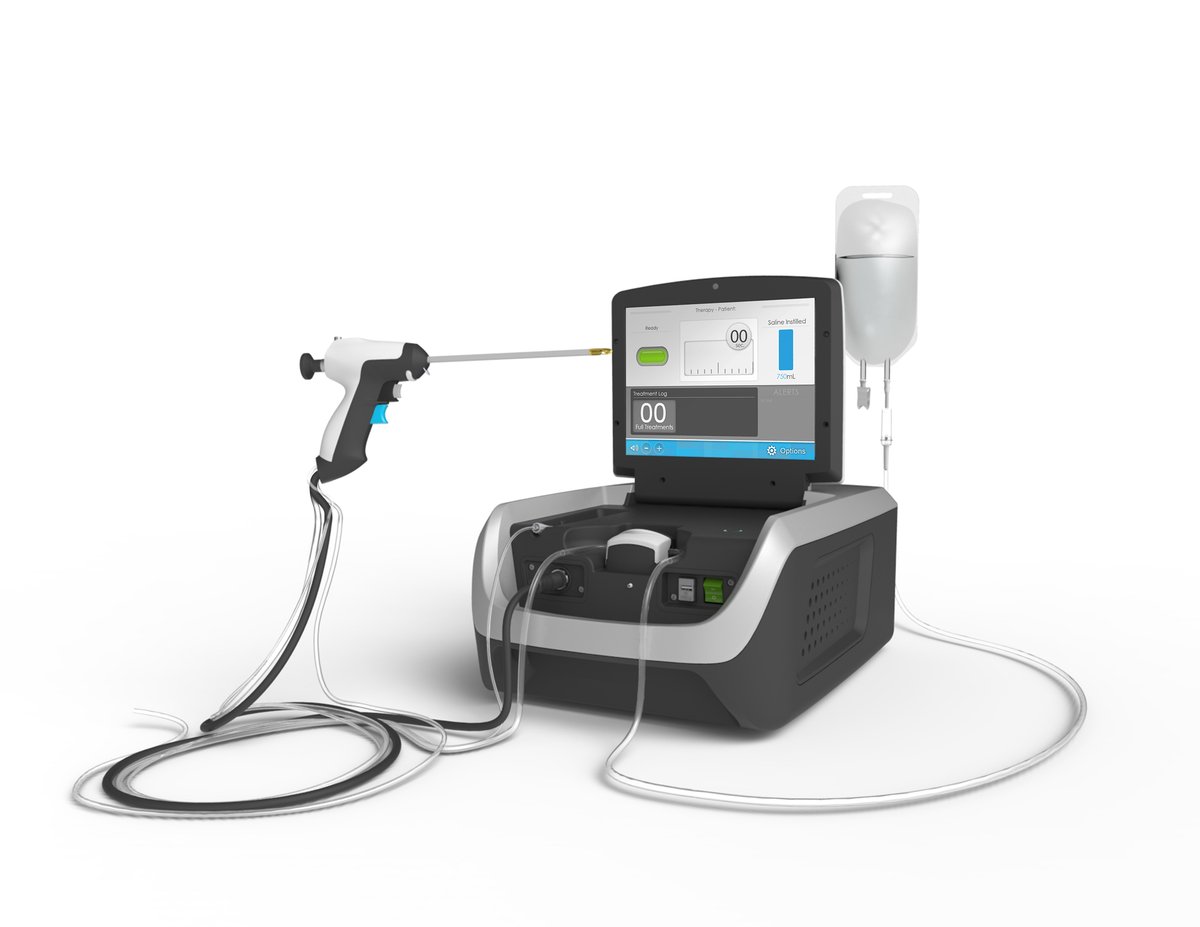
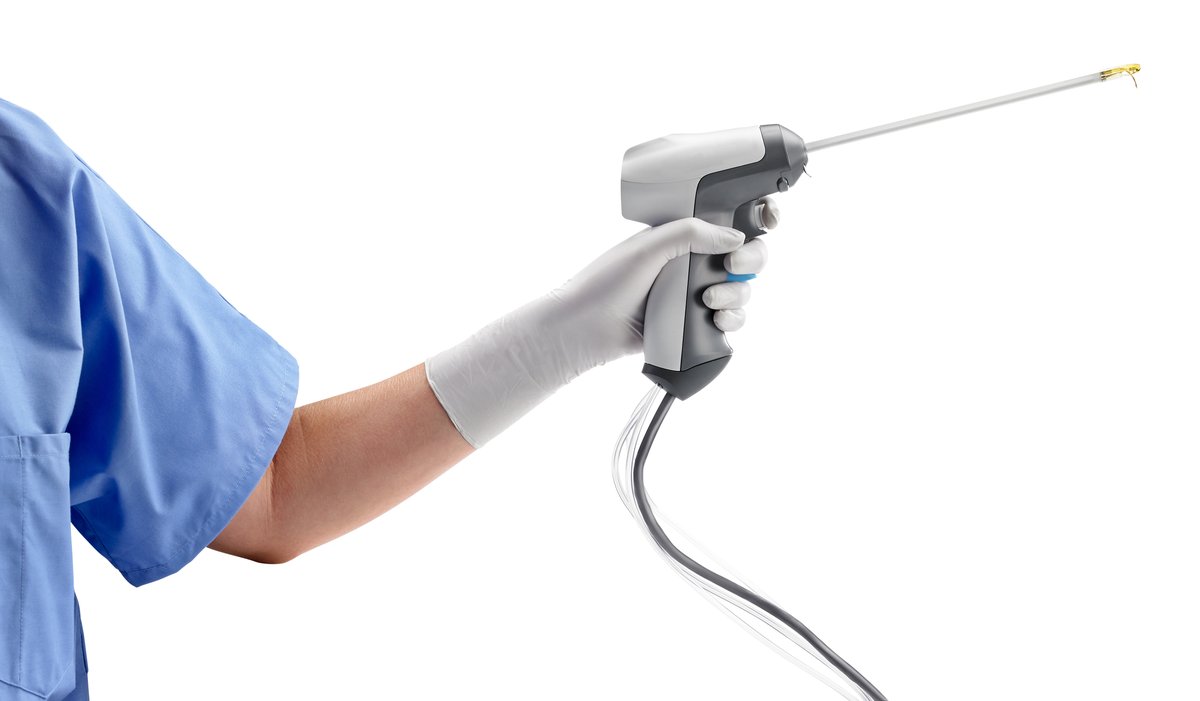
The handheld delivery device is passed along the urethra. Sterile water vapor (steam) is injected into the targeted hyperplastic tissue through a fine retractable needle.
After
Over the following weeks the body's natural healing response reabsorbs the treated tissue. The prostate shrinks and the urethra opens, easing BPH symptoms.
Three simple steps
The following is intended as a general overview, and your experience may differ. Please talk with your doctor about questions you may have about the procedure.
1. Before your procedure
- Your doctor may stop anticoagulants (blood thinners) a few days to a week prior to your procedure.
- Antibiotics may be prescribed.
- Your doctor will discuss any pain medications that will be used.
2. Procedure day
- The actual procedure takes only minutes; however, plan on spending approximately two hours for the entire appointment.
- You will receive pain medication prescribed by your doctor for the procedure.
- Plan to have a driver for your appointment, unless your doctor tells you that you can drive yourself home.
3. Resume your life
Within a few days, you will most likely be able to resume normal activities,* and most patients will experience noticeable symptom improvement in as soon as two weeks.2
- After your procedure, continue oral antibiotics as prescribed by your doctor.
- Your doctor may recommend a catheter for a few days to ease urination during healing.
- Avoid activities that may irritate your prostate. Consult your doctor for specific recommendations.
- If you experience discomfort:
- Take a mild pain medication, as recommended by your doctor.
- Try a warm bath or sitting on a hot water bottle.
- Consider temporarily removing caffeine, chocolate and alcohol from your diet.
Risks, indications and important safety information
All treatments have inherent and associated risks. The Rezum System is intended to relieve symptoms and obstructions, and reduce prostate tissue associated with BPH. It is indicated for men 50 years of age or older with a prostate volume of 30 cm3 to 80 cm3. The Rezum System is also indicated for treatment of prostate with hyperplasia of the central zone and/or a median lobe.
Potential risks include but are not limited to painful urination (dysuria), blood in the urine (haematuria), blood in the semen (haematospermia), decrease in ejaculatory volume, suspected urinary tract infection (UTI), and urinary frequency, retention or urgency. You should talk with your doctor about benefits and risks before moving forward with any treatment option.
* Dependent on individual clinical situation and healing response.
Talk to your doctor
Talk to your doctor to see if Rezum Water Vapor Therapy is right for you. Read more about Rezum on our Rezum overview page, or contact Urology NSW to discuss your options with Dr Raji Kooner.
References
- Barry M, Roehrborn C. Management of benign prostatic hyperplasia. Annual Review of Medicine. 1997 Feb;48:177-189.
- McVary KT, Gange SN, Gittelman MC, et al. Minimally invasive prostate convective water vapor energy (WAVE) ablation: A multicenter, randomized, controlled study for treatment of lower urinary tract symptoms secondary to benign prostatic hyperplasia. Journal of Urology. 2016 May;195(5):1529-38.
Content adapted from the Boston Scientific Rezum Patient Brochure (URO-562805-AA, April 2019). All trademarks are the property of their respective owners. Content is for informational purposes only and does not constitute medical advice. Always consult your doctor for medical questions about your individual situation.