
Rezum
What is Rezūm?
Powered by Convective Water Vapor Energy (WAVE®) technology, Rezūm applies thermal energy to effectively treat lower urinary tract symptoms secondary to BPH2. Each treatment uses 0.42ml of heated sterile water vapor3 which rapidly and uniformly disperses through the tissue interstices.
The condensation of water vapor releases stored thermal energy. Cell membranes are gently denatured, thereby causing immediate cell death, the vasculature is closed, and there is denervation of the alpha adrenergic nerves within the treatment zone providing you with an efficient, uniform, predictable treatment.4
Over time, this ablated tissue is reabsorbed by the body's natural healing response, reducing the volume of tissue allowing the urethra to open relieving LUTS.
The Rezūm System
Rezūm is a treatment for BPH that can be performed in a clinic or outpatient setting. Rezūm uses the stored thermal energy in water vapor (steam) to treat the extra prostate tissue that is causing symptoms such as frequency, urgency, irregular flow, weak stream, straining, and getting up at night to urinate.
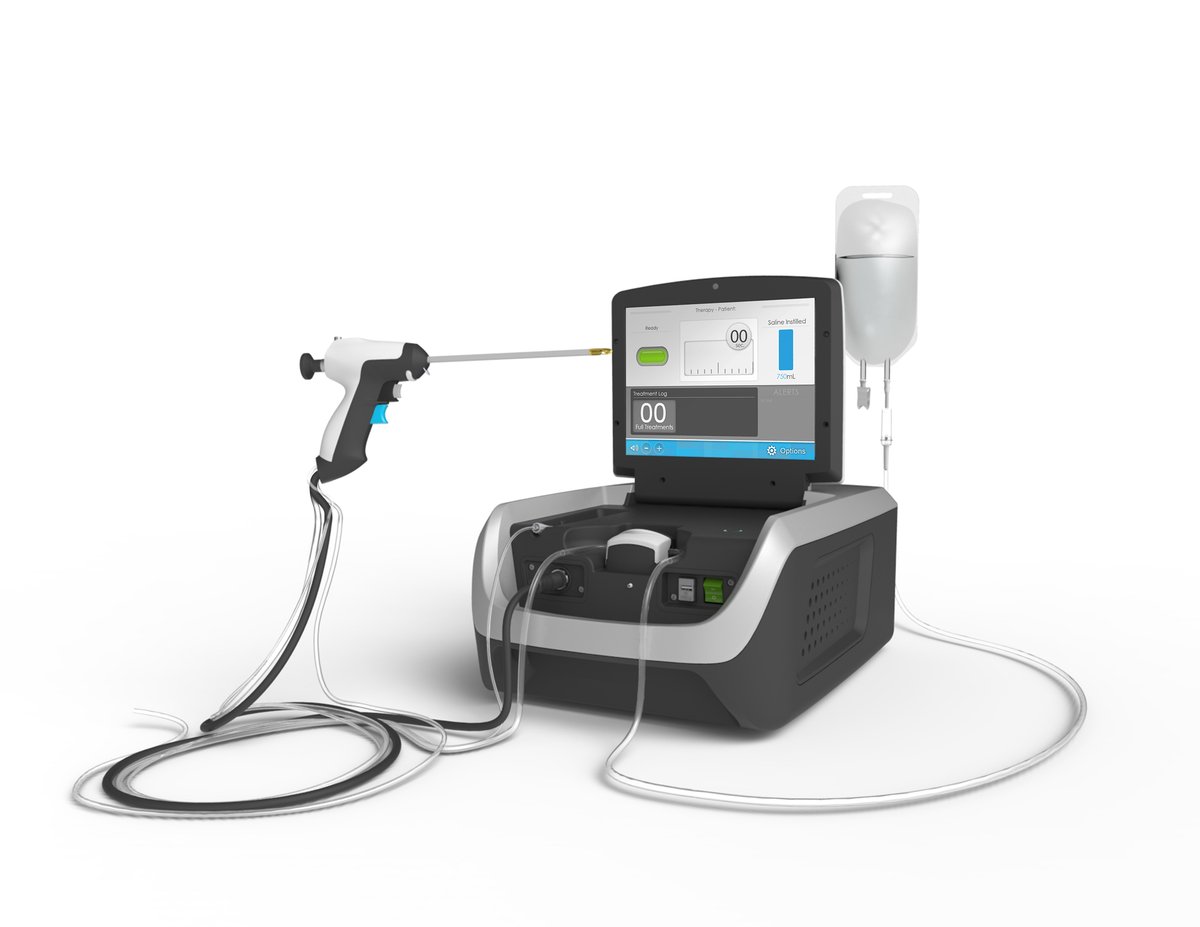
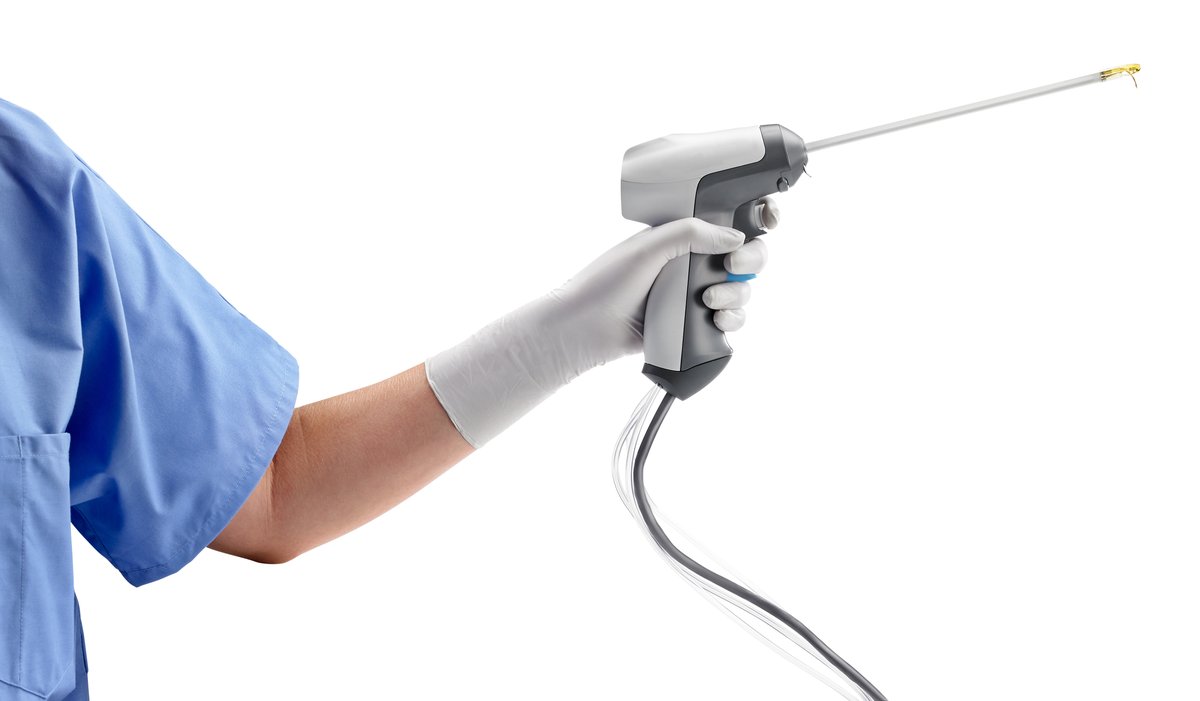
Benefits of Rezūm:
- Potential alternative to BPH medications
- Relieves symptoms safely and effectively1
- Provides noticeable symptom improvement within two weeks1
- Simple in-office/outpatient therapy
- Does not require general anesthesia
- Preserves sexual and urinary functions1
- Allows patients to return to regular activities within a few days1
Recognition
Dr Raji Kooner has performed more than 200 Rezum water vapour therapy procedures, a milestone formally recognised by Boston Scientific (the manufacturer of the Rezum system) in June 2023.

Rezum Patient Brochure (Boston Scientific)
Source: Boston Scientific Rezum Patient Brochure (URO-562805-AA, April 2019). Open this brochure as its own page · Download the original PDF. Content reproduced for accessibility.
How common is BPH?
BPH affects about 50% of men by age 60, and up to 90% of men by age 85.1
What is BPH?
Benign prostatic hyperplasia (BPH) is an enlargement of the prostate gland affecting about 50% of men by age 60, and up to 90% of men by age 85.1 This enlargement can compress the urethra, reducing the flow of urine from the bladder, and sometimes blocking it entirely.
The symptoms of BPH include:
- Urinary frequency
- Irregular flow
- Urgency
- Weak stream
- Straining
- Getting up at night to urinate
Treating BPH
Not ready for surgery, but don't want to be on medication? Rezum Water Vapor Therapy is an option designed to reduce BPH symptoms in men with enlarged prostates, without the side effects of BPH medications.
See the difference
Rezum Water Vapor Therapy uses the natural energy stored in water vapor, or steam. Clinical studies show a positive safety profile with the ability to relieve symptoms associated with BPH.2
During each 9-second treatment, sterile water vapor is released throughout the targeted prostate tissue. When the steam turns back into water, all the stored energy is released, causing the cells to die.
Over time, your body's natural healing response removes the dead cells, shrinking the prostate. With the extra tissue removed, the urethra opens, reducing BPH symptoms.
Most patients begin to experience symptom relief in as soon as two weeks, and maximum benefit may occur within three months. Patient responses can and do vary.
How the procedure shrinks the prostate
The number of water vapor treatments varies depending on the size of the prostate. The procedure is done during one appointment. The schematics below describe the principle of the procedure, not an exact representation of patient results.
Before
Hyperplastic (enlarged) prostate tissue squeezes the urethra, restricting urine flow from the bladder.
During
The handheld delivery device is passed along the urethra. Sterile water vapor (steam) is injected into the targeted hyperplastic tissue through a fine retractable needle.
After
Over the following weeks the body's natural healing response reabsorbs the treated tissue. The prostate shrinks and the urethra opens, easing BPH symptoms.
Three simple steps
The following is intended as a general overview, and your experience may differ. Please talk with your doctor about questions you may have about the procedure.
1. Before your procedure
- Your doctor may stop anticoagulants (blood thinners) a few days to a week prior to your procedure.
- Antibiotics may be prescribed.
- Your doctor will discuss any pain medications that will be used.
2. Procedure day
- The actual procedure takes only minutes; however, plan on spending approximately two hours for the entire appointment.
- You will receive pain medication prescribed by your doctor for the procedure.
- Plan to have a driver for your appointment, unless your doctor tells you that you can drive yourself home.
3. Resume your life
Within a few days, you will most likely be able to resume normal activities,* and most patients will experience noticeable symptom improvement in as soon as two weeks.2
- After your procedure, continue oral antibiotics as prescribed by your doctor.
- Your doctor may recommend a catheter for a few days to ease urination during healing.
- Avoid activities that may irritate your prostate. Consult your doctor for specific recommendations.
- If you experience discomfort:
- Take a mild pain medication, as recommended by your doctor.
- Try a warm bath or sitting on a hot water bottle.
- Consider temporarily removing caffeine, chocolate and alcohol from your diet.
Risks, indications and important safety information
All treatments have inherent and associated risks. The Rezum System is intended to relieve symptoms and obstructions, and reduce prostate tissue associated with BPH. It is indicated for men 50 years of age or older with a prostate volume of 30 cm3 to 80 cm3. The Rezum System is also indicated for treatment of prostate with hyperplasia of the central zone and/or a median lobe.
Potential risks include but are not limited to painful urination (dysuria), blood in the urine (haematuria), blood in the semen (haematospermia), decrease in ejaculatory volume, suspected urinary tract infection (UTI), and urinary frequency, retention or urgency. You should talk with your doctor about benefits and risks before moving forward with any treatment option.
* Dependent on individual clinical situation and healing response.
References & safety information - Rezum Patient Brochure
- Barry M, Roehrborn C. Management of benign prostatic hyperplasia. Annual Review of Medicine. 1997 Feb;48:177-189.
- McVary KT, Gange SN, Gittelman MC, et al. Minimally invasive prostate convective water vapor energy (WAVE) ablation: A multicenter, randomized, controlled study for treatment of lower urinary tract symptoms secondary to benign prostatic hyperplasia. Journal of Urology. 2016 May;195(5):1529-38.
Content adapted from the Boston Scientific Rezum Patient Brochure (URO-562805-AA, April 2019). All trademarks are the property of their respective owners. Content is for informational purposes only and does not constitute medical advice. Always consult your doctor for medical questions about your individual situation.
Water Vapor Therapy: Patient Overview (Boston Scientific)
Source: Boston Scientific BPH Portfolio - Water Vapor Therapy patient overview (URO-1422401-AA, October 2022). Open this brochure as its own page · Download the original PDF. Content reproduced for accessibility.
Water Vapor Therapy
Water Vapor Therapy is a minimally invasive treatment option1 for an enlarged prostate, also known as benign prostatic hyperplasia (BPH). The therapy uses the natural energy stored in water vapour, or steam, to treat the extra prostate tissue that is causing uncomfortable BPH symptoms.
During each 9-second treatment, sterile water vapour is released throughout the targeted prostate tissue. When the steam turns back into water, all the stored energy is released, causing the cells to die. Over time, your body's natural healing response removes the dead cells, shrinking the prostate. With the extra tissue removed, the urethra opens, reducing BPH symptoms.
Water Vapor Therapy for BPH
Water Vapor Therapy may provide the following:
- A potential alternative to BPH medications.1
- Noticeable symptom improvement within two weeks.1
- Preservation of sexual and urinary functions.2
- Ability to return to regular activities within a few days.2,*
Three simple steps to resume your life
1. Before your procedure - talk with your doctor
- Your doctor may stop anticoagulants, or blood thinners, a few days to a week prior to your procedure.
- Antibiotics may be prescribed.
- Your doctor will discuss any pain medications that will be used.
2. Procedure day
- The actual procedure takes only minutes; however, an overnight stay may be recommended for some patients. Your doctor will advise you on this.
- You will receive an anaesthetic during the procedure and your doctor may prescribe medication after the procedure.
3. After your procedure
- After your procedure, continue oral antibiotics for 3 to 5 days as prescribed by your doctor.
- Your doctor may recommend a catheter for a few days to ease urination during healing.
- Avoid activities that may irritate your prostate. Consult your doctor for specific recommendations.
- If you experience discomfort:
- Take a mild pain medication, as recommended by your doctor.
- Try a warm bath or sitting on a hot water bottle.
- Consider temporarily removing caffeine, chocolate and alcohol from your diet.
Risks
All surgical treatments have inherent and associated risks. The same is true for Water Vapor Therapy. You should talk with your doctor about benefits and risks before moving forward with any treatment option.
* Dependent on individual clinical situation and healing response.
References & safety information - Water Vapor Therapy patient overview
- Roehrborn CG, Gange SN, Gittelman MC, et al. Convective water vapor energy (WAVE) ablation therapy: durable two-year results and prospective blinded crossover study for treatment of lower urinary tract symptoms due to benign prostatic hyperplasia. J Urol 2017;197:1507.
- McVary KT, Gittelman MC, Goldberg KA, et al. Final 5-year outcomes of the multicenter randomized sham-controlled trial of Rezum water vapor thermal therapy for treatment of moderate-to-severe lower urinary tract symptoms secondary to benign prostatic hyperplasia. J Urol. 2021 Sep;206(3):715-24.
Content adapted from the Boston Scientific Water Vapor Therapy patient overview (URO-1422401-AA, October 2022). Individual symptoms, situations, circumstances and results may vary. This information is not intended to be used for medical diagnosis or treatment or as a substitute for medical advice. Always consult your doctor or qualified healthcare provider regarding your condition and appropriate medical treatment. Indications, contraindications, warnings and instructions for use can be found in the product labelling supplied with each device or at www.IFU-BSCI.com.
BPH and Rezum: Key Messages and FAQ (Boston Scientific)
Source: Boston Scientific Benign Prostatic Hyperplasia (BPH) and Rezum Water Vapor Therapy Key Messages and FAQ (URO-1450615-AA, November 2022). Open this brochure as its own page · Download the original PDF. Content reproduced for accessibility.
Key messages
- Benign prostatic hyperplasia (BPH) is a condition in which a man's prostate enlarges and squeezes the urethra, causing frustrating symptoms such as frequent or urgent urination, a weak or interrupted urine stream, and the need to get up several times a night to urinate.
- Treatment options for BPH range from behaviour modification to medications, minimally invasive procedures and surgery. Medications may not work for everyone, and may have undesirable side effects such as dizziness or sexual dysfunction.1 Some minimally invasive procedures may only treat BPH symptoms, not the underlying condition.
- Rezum Water Vapor Therapy is a minimally invasive procedure for men looking to treat their BPH, not just the symptoms. It uses natural water vapour to reduce the size of the prostate and provide lasting symptom relief from BPH without invasive surgery or the potential side effects of prescription drugs.2
- Clinical studies support that Rezum therapy relieves BPH symptoms effectively, while also preserving sexual function.2,3 It helps most men see symptom improvement within a few weeks and return to regular activities within a few days after treatment.3,*
- Men with BPH who are dissatisfied with their current treatment, including prescription drugs, should consider Rezum therapy: a minimally invasive procedure that treats the underlying condition, not just the symptoms. Patients should talk with their doctor before moving forward with any treatment option.
Frequently asked questions
1. What is the cause of BPH?
As many men get older, their prostate gland enlarges, which may squeeze the urethra and obstruct the flow of urine. Other risk factors for BPH include family history, obesity, heart disease and diabetes.1
2. How is BPH treated?
A wide variety of treatment options are available for BPH, including watchful waiting, behavioural modification, medication, minimally invasive therapies and surgery. Medication is the most common first-line treatment for mild to moderate symptoms of an enlarged prostate. Minimally invasive or surgical treatment might be recommended if symptoms are moderate to severe, medication doesn't relieve the symptoms, or the patient has other health issues.
3. What is Rezum Water Vapor Therapy?
Rezum therapy is a treatment for men looking to treat BPH, not just the symptoms. It uses natural water vapour to reduce the size of the prostate and provide lasting symptom relief from BPH without invasive surgery or the potential side effects of prescription drugs.2
Clinical studies support that Rezum therapy relieves BPH symptoms effectively, while also preserving sexual function.3 It helps most men see symptom improvement within a few weeks and return to regular activities within a few days after treatment.3,*
4. Who may benefit from Rezum Water Vapor Therapy?
Clinical studies show that Rezum therapy provides significant sustained improvement in symptoms and quality of life.2 It may be an option for those who have given up on watchful waiting and lifestyle changes, men who are dissatisfied with, have stopped or don't want to start taking BPH medications, and men not interested in other minimally invasive or surgical BPH procedures. Rezum therapy removes excess prostate tissue with water vapour, thereby treating the disease while also relieving symptoms and preserving sexual function.3
5. Why is Rezum Water Vapor Therapy an important option?
For years, the primary options for treating BPH were medications or invasive surgery. Rezum therapy is an option for men who do not want to take medication or are dissatisfied with medication symptom relief, and who want to avoid invasive surgery or implants to treat their BPH.
Market research indicates that preserving sexual function is a priority for men when it comes to BPH treatments.4 Clinical studies show that physicians can offer Rezum as an option that removes the obstructive tissue and treats the associated symptoms without permanent implants or prescriptions, while preserving sexual function.2
6. How is the Rezum Water Vapor Therapy procedure performed? Is the patient awake during the procedure?
The short procedure takes place in hospital and requires general anaesthesia. During each 9-second treatment, natural water vapour is released throughout the targeted prostate tissue. When the steam contacts the tissue and turns back into water, all the stored energy is released, killing the excess prostate cells. Over time, the body's natural healing response absorbs the dead cells and shrinks the prostate. With the extra tissue removed, the urethra opens, reducing BPH symptoms. Depending on the size of the prostate, the number of water vapour treatments varies.
7. How quickly do patients experience symptom relief?
Clinical studies show that most men experience symptom relief as soon as two weeks after treatment with Rezum therapy, and maximum benefit may occur within three months.1 As with any procedure, patient responses can vary.
8. How soon can patients return to regular activities?
Clinical studies show that following treatment with Rezum therapy, most men return to regular activities within a few days.3,* The patient's physician will make personal recommendations on resuming activity.
9. How long do improvements last?
Current clinical studies demonstrate that, following treatment with Rezum therapy, symptom improvement is sustained through five years, and studies are ongoing to determine longer-term patient outcomes.2
10. Can Rezum Water Vapor Therapy cause erectile dysfunction (ED)?
Clinical studies have demonstrated that Rezum therapy preserves erectile and urinary functions. There were no reports of erectile dysfunction (ED) as a result of treatment with Rezum therapy.3 However, there is a possibility that an underlying condition may surface following treatment. Each patient should speak with a physician about their individual health situation.
11. Can Rezum Water Vapor Therapy cause urinary incontinence?
In Rezum therapy's clinical studies, there were no reports of post-procedure urinary incontinence as a result of treatment with Rezum therapy.3
12. What are the risks of Rezum Water Vapor Therapy?
All treatments have inherent and associated risks. The Rezum System is intended to relieve symptoms and obstructions, and reduce prostate tissue associated with BPH. It is indicated for men with a prostate volume of 30 cm3 or greater. The Rezum System is also indicated for treatment of prostate with hyperplasia of the central zone and/or a median lobe. Potential risks include but are not limited to painful urination (dysuria), blood in the urine (haematuria), blood in the semen (haematospermia), decrease in ejaculatory volume, suspected urinary tract infection (UTI), and urinary frequency, retention or urgency. Patients should talk with their doctor about benefits and risks before moving forward with any treatment option.
13. Has Rezum Water Vapor Therapy been clinically tested?
Rezum therapy has undergone extensive clinical trials to evaluate the safety and efficacy of the treatment.2 It is included in the American Urological Association's BPH treatment guidelines and has five-year follow-up data covering prostates with hyperplasia of the central zone, lateral lobe and/or median lobe.3 Over the five years, the trial showed a surgical retreatment rate of 4.4%.2
14. Can patients be treated with Rezum Water Vapor Therapy while on their current BPH medication?
During the Rezum therapy pivotal study, all patients discontinued their BPH medication to ensure the efficacy seen was from Rezum therapy alone. As such, there has been no randomised clinical data collected on using Rezum therapy at the same time as BPH medications.2
15. Can post-radiation patients be treated safely with Rezum Water Vapor Therapy?
Post-radiation patients were not included in the Rezum therapy pivotal study. As such, there has been no data collected for this subset of patients.
16. How is Rezum Water Vapor Therapy different from the UroLift System?
Rezum therapy is a treatment for men looking to treat their BPH, not just the symptoms. It uses natural water vapour to reduce the size of the prostate and provide lasting symptom relief from BPH without invasive surgery, reliance on implants or the potential side effects of prescription drugs.2,3 Surgical retreatment rates for Rezum therapy were 4.4% at five years.2
The UroLift System involves permanent implants that remain inside the body and treat the symptoms of BPH. Results from the L.I.F.T. study show surgical retreatment rates for the UroLift System of 13.6% at five years.6
Different clinical investigations are not directly comparable; talk with your doctor about which option fits your individual circumstances. You can also read more about UroLift on this site.
17. How is Rezum Water Vapor Therapy different from laser therapy?
Laser therapy is an important option for patients who may not be appropriate candidates for Rezum therapy. Laser therapy may involve a short hospital stay and has been associated with shorter catheterisation time, less bleeding and a faster recovery than traditional surgery.7-11 The individual's medical history, health condition and other factors will influence treatment decisions. Read more about laser prostate surgery and HoLEP on this site.
References & safety information - BPH and Rezum FAQ
- Roger K and Gilling P. Fast Facts: Benign Prostatic Hyperplasia, 7th edition. Health Press, 2011.
- McVary KT, Gittelman MC, Goldberg KA, et al. Final 5-year outcomes of the multicenter randomized sham-controlled trial of Rezum water vapor thermal therapy for treatment of moderate-to-severe lower urinary tract symptoms secondary to benign prostatic hyperplasia. J Urol. 2021 Sep;206(3):715-24.
- McVary KT, Gange SN, Gittelman MC et al. Minimally invasive prostate convective water vapor energy (WAVE) ablation: a multicenter, randomized, controlled study for the treatment of lower urinary tract symptoms secondary to benign prostatic hyperplasia. J Urol. 2016 May;195(5):1529-38.
- Boston Scientific Market Research: Understanding Today's BPH Patient, August 30, 2018.
- Data on file at Boston Scientific.
- Roehrborn CG, Barkin J, Gange SN, et al. Five-year results of the prospective randomized controlled prostatic urethral L.I.F.T. study. Can J Urol. 2017 Jun;24(3):8802-13.
- Bachmann A, Tubaro A, Barber N, et al. 180-W XPS GreenLight laser vaporization versus transurethral resection of the prostate for the treatment of benign prostatic obstruction: 6-month safety and efficacy results of the European multi-centre randomized trial - The GOLIATH Study. Eur Urol. 2014 May;65(5):931-42.
- Lukacs B, Loeffler J, Bruyere F, et al. Photoselective vaporization of the prostate with GreenLight 120-W laser compared with monopolar transurethral resection of the prostate: a multicenter randomized controlled trial. Eur Urol. 2012;61(6):1165-73.
- Capitan C, Blazquez C, Martin MD, et al. GreenLight HPS 120-W laser vaporization versus transurethral resection of the prostate for the treatment of lower urinary tract symptoms due to benign prostatic hyperplasia: a randomized clinical trial with 2-year follow-up. Eur Urol. 2011 Oct;60(4):734-9.
- Al-Ansari A, Younes N, Sampige VP, et al. GreenLight HPS 120-W laser vaporization versus transurethral resection of the prostate for treatment of benign prostatic hyperplasia: a randomized clinical trial with midterm follow-up. Eur Urol. 2010 Sep;58(3):349-55.
- Bouchier-Hayes DM, Van Appledorn S, Bugeja P, et al. A randomized trial of photoselective vaporization of the prostate using the 80-W potassium titanyl-phosphate laser vs transurethral prostatectomy, with a 1-year follow-up. BJU Int. 2010 Apr;105(7):964-9.
* Dependent on individual clinical situation and healing response. Results from different clinical investigations are not directly comparable. Information provided for educational purposes only. Individual symptoms, situations, circumstances and results may vary. This information is not intended to be used for medical diagnosis or treatment or as a substitute for medical advice. Always consult your doctor or qualified healthcare provider regarding your condition and appropriate medical treatment. Indications, contraindications, warnings and instructions for use can be found in the product labelling supplied with each device or at www.IFU-BSCI.com. Content adapted from the Boston Scientific BPH and Rezum Water Vapor Therapy Key Messages and FAQ (URO-1450615-AA, November 2022). All trademarks are the property of their respective owners.
Rezum Steam Ablation of the Prostate (BAUS Patient Leaflet)
Source: British Association of Urological Surgeons (BAUS) patient information leaflet "Rezum (Steam Ablation)", Leaflet No. 23/186, published June 2023, review due June 2026. Open this brochure as its own page · Download the original PDF · Full BAUS leaflet library. Content reproduced for accessibility.
This leaflet contains evidence-based information about your proposed urological procedure. We have consulted specialist surgeons during its preparation, so that it represents best practice in UK urology. You should use it in addition to any advice already given to you.
Key points
- The Rezum procedure involves passing a telescope through your urethra (waterpipe) and injecting steam into the obstructing prostate tissue around your urethra.
- The prostate tissue then shrinks over the following 3-6 months.
- It is designed to improve your urinary symptoms without the need for burning or removing any prostate tissue.
- The procedure is usually performed as a day case.
- You will need to have a bladder catheter for a few days after the procedure.
- Sexual side effects such as erectile dysfunction (impotence) are very rare, while retrograde (dry) ejaculation is also very uncommon.
- In a small number of men further treatment may be needed at a later stage.
What does this procedure involve?
Your prostate gland sits around your urethra (waterpipe) as it leaves the bladder, and when it enlarges it may block the flow of urine.
The Rezum procedure involves steam injections into your prostate. The number of injections needed depends on the size of your prostate. The steam injections can be put into the prostate tissue surrounding the urethra (lateral lobes) and into any prostate tissue that extends into the bladder (median lobe).
Following the procedure, we usually put a temporary catheter in your bladder to avoid the risk of retention. This catheter is removed after a few days.
Over the subsequent weeks, the prostate resorbs (shrinks) due to the steam injection, which opens up the waterpipe to allow improved urinary flow and bladder emptying.
The main benefits of this procedure, compared with other surgical treatments for prostate enlargement, are:
- a short stay in hospital (usually a day case);
- an earlier return to normal activities;
- a minimally invasive (minor) procedure; and
- sexual side effects such as retrograde (dry) ejaculation or erectile dysfunction (impotence) are rare.
Your urologist will be able to tell you whether the size and shape of your prostate means that this procedure is suitable for you.
What are the alternatives?
- Conservative treatment - restricting your fluid or caffeine intake to improve your urinary symptoms and help you avoid surgery.
- Drug treatment - using a drug to shrink your prostate (such as finasteride or dutasteride), or one which relaxes the muscles in your prostate to improve your urine flow (such as tamsulosin or alfuzosin).
- UroLift - a minimally invasive procedure to insert implants into your urethra to pull back the obstructing prostate tissue. Read more about UroLift.
- Transurethral resection of the prostate (TURP) - removal of the central, obstructing part of your prostate using electric current through a telescope passed along your urethra. Read more about TURP.
- Holmium laser enucleation of the prostate (HoLEP) - removal of the central, obstructing part of your prostate using a laser through a telescope passed along your urethra. Read more about HoLEP.
- Green-light laser prostatectomy (GLLP) or HoLAP - using a different type of laser to vaporise (burn away) the obstructing prostate tissue through a telescope passed along your urethra.
- Prostate artery embolisation - a technique where an expert radiologist (X-ray doctor) blocks off the arteries to your prostate gland, causing it to shrink over time.
What happens on the day of the procedure?
Your urologist (or a member of their team) will briefly review your history and medications, and will discuss the surgery again with you to confirm your consent.
Your procedure may be performed using a range of anaesthetic options. You may undergo the procedure under general anaesthetic, spinal anaesthetic, sedation or local anaesthesia. Your surgeon (and/or anaesthetist) will discuss this with you.
If you have a general anaesthetic, we may provide you with a pair of TED stockings to wear on the day of your procedure. These help to prevent blood clots from developing and passing into your lungs.
Most patients are discharged home the same day.
Details of the procedure
- We carry out the procedure either under a general, regional or local anaesthetic, according to individual circumstances.
- We usually give you antibiotics before the procedure, after you have been checked for any allergies.
- We put a telescope into your bladder through your urethra.
- We inject steam into the prostate under direct vision, through the telescope, using a special applicator.
- The procedure takes 10 to 15 minutes to perform.
- You will usually have a bladder catheter for a few days after the procedure.
- We will give you a course of antibiotics for a few days after the procedure to reduce the risk of infection.
We normally bring you back to hospital to remove your bladder catheter. You may find it painful to pass urine at first and it often comes more frequently than normal.
Your urine is likely to become bloody after the procedure, and this can last for four to six weeks. You are also likely to see blood in your semen (ejaculate) which can last up to three months.
Are there any after-effects?
The possible after-effects and your risk of getting them are shown below. Some are self-limiting or reversible, but others are not. Very rare after-effects (occurring in less than 1 in 250 patients) are not listed individually. The impact of these after-effects can vary a lot from patient to patient; you should ask your surgeon's advice about the risks and their impact on you as an individual.
| After-effect | Risk |
|---|---|
| Temporary burning and stinging when you pass urine (which may last for 5-7 days) | 1 in 3 patients (33%) |
| Temporary bleeding in your urine (which may last for 5-7 days) | 1 in 4 patients (25%) |
| Temporary pain or discomfort in your pelvic area | Between 1 in 5 and 1 in 6 patients (16-20%) |
| Infection in your urine requiring treatment with antibiotics | 1 in 15 patients (6-7%) |
| The procedure may not relieve all your symptoms, so that you need further treatment within 4 years | 1 in 25 patients (approx 4%) |
| Anaesthetic or cardiovascular problems possibly requiring intensive care (including chest infection, pulmonary embolus, stroke, deep vein thrombosis, heart attack and death) if you have a general anaesthetic | Between 1 in 50 and 1 in 250 patients (your anaesthetist can estimate your individual risk) |
What is my risk of a hospital-acquired infection?
Your risk of getting an infection in hospital is between 4% and 6%; this includes getting MRSA or a Clostridium difficile bowel infection. Individual hospitals may have different rates, and the medical staff can tell you the risk for your hospital. You have a higher risk if you have had:
- long-term drainage tubes (e.g. catheters);
- bladder removal;
- long hospital stays; or
- multiple hospital admissions.
What can I expect when I get home?
- You will be discharged the same day with a catheter.
- We will show you how to manage your catheter at home, and will arrange for its removal.
- Usually, you will have a tap on the end of the catheter to make it easy to manage, and to avoid the need for bags.
- You may see some blood in your urine.
- Some men will get pelvic discomfort for a few days but this can be relieved by simple painkillers such as paracetamol.
- You will be given advice about your recovery at home.
- You may be given some antibiotics to take for a few days after the procedure; these will be dispensed from the hospital pharmacy.
- You will be given a copy of your discharge summary, and a copy will also be sent to your GP.
- You should be able to return to normal activities after five to seven days (or once the catheter has been removed).
Once your catheter has been removed, your symptoms will slowly improve as the prostate shrinks. Sometimes, in the weeks after surgery, you may see some debris or small pieces of tissue in the urine as your prostate resorbs; this is quite normal.
Maximum improvement takes, on average, 8-12 weeks following the procedure, although it can take as long as 6 months in some patients.
It is helpful to start pelvic floor exercises as soon as possible after any form of prostate surgery; these can improve your control when you get home. Contact your urology specialist nurse for further information on these exercises.
General information about surgical procedures
Before your procedure
Please tell a member of the medical team if you have:
- an implanted foreign body (stent, joint replacement, pacemaker, heart valve, blood vessel graft);
- a regular prescription for a blood thinning agent (warfarin, aspirin, clopidogrel, rivaroxaban or dabigatran);
- a present or previous MRSA infection; or
- a high risk of variant CJD (e.g. if you have had a corneal transplant, a neurosurgical dural transplant or human growth hormone treatment).
Questions you may wish to ask
If you wish to learn more about what will happen, you can find a list of suggested questions called "Having An Operation" on the website of the Royal College of Surgeons of England. You may also wish to ask your surgeon for his or her personal results and experience with this procedure.
Before you go home
We will tell you how the procedure went and you should:
- make sure you understand what has been done;
- ask the surgeon if everything went as planned;
- let the staff know if you have any discomfort;
- ask what you can (and cannot) do at home;
- make sure you know what happens next; and
- ask when you can return to normal activities.
We will give you advice about what to look out for when you get home. Your surgeon or nurse will also give you details of who to contact, and how to contact them, in the event of problems.
Smoking and surgery
Ideally, we would prefer you to stop smoking before any procedure. Smoking can worsen some urological conditions and makes complications more likely after surgery. For advice on stopping, you can:
- contact your GP;
- access your local NHS Smoking Help Online; or
- ring the Smoke-Free National Helpline on 0300 123 1044.
Driving after surgery
It is your responsibility to make sure you are fit to drive after any surgical procedure. You only need to contact the DVLA if your ability to drive is likely to be affected for more than three months. If it is, you should check with your insurance company before driving again.
What sources have we used to prepare this leaflet?
This leaflet uses information from expert groups who carry out this procedure, consensus panels and other evidence-based sources including:
- the Department of Health (England);
- the Cochrane Collaboration; and
- the National Institute for Health and Care Excellence (NICE).
It also follows style guidelines from:
- the Royal National Institute for Blind People (RNIB);
- the Information Standard;
- the Patient Information Forum; and
- the Plain English Campaign.
Disclaimer
Whilst BAUS have made every effort to give accurate information, there may still be errors or omissions in this leaflet. BAUS cannot accept responsibility for any loss from action taken (or not taken) as a result of this information.
Please note: the staff at BAUS are not medically trained, and are unable to answer questions about the information provided in this leaflet. If you have any questions, you should contact your urologist, specialist nurse or GP in the first instance.
Male Lower Urinary Tract Symptoms (LUTS) - BAUS Patient Leaflet
Source: British Association of Urological Surgeons (BAUS) patient information leaflet "Male Lower Urinary Tract Symptoms (LUTS)", Leaflet No. E23/097, published July 2023, review due October 2026. Open this brochure as its own page · Download the original PDF · Enlarged prostate (BPH) overview · Full BAUS leaflet library. Content reproduced for accessibility.
You may have been given this leaflet because you have been diagnosed with lower urinary tract symptoms which are usually caused by enlargement of your prostate gland. The aim of this leaflet is to explain the condition and to provide you with advice on things you can do to help yourself. We have consulted specialist surgeons during its preparation, so it represents best practice in UK urology. You should use it in addition to any advice already given to you.
What are lower urinary tract symptoms?
Lower urinary tract symptoms (LUTS) include:
- frequency - the need to pass urine very often;
- urgency - the need to pass urine without much warning;
- urge incontinence - urgency resulting in leakage of urine which you cannot control;
- hesitancy - not being able to pass urine immediately;
- poor flow - a decrease in the force of your urinary stream; and
- nocturia - the need to pass urine frequently at night.
Going to the toilet more than six to eight times in 24 hours, with more than one of these visits occurring at night, is considered abnormal. Some patients can also get:
- stress incontinence - leakage of urine during physical activity, coughing, sneezing or straining; and
- post-micturition dribble - urine leakage on walking away from the toilet.
How does the bladder normally work?
Your kidneys filter blood continuously and produce urine which is stored in your bladder. The bladder has two main functions:
- it stores urine until you are able to go to the toilet; and
- it expels urine when you are ready to do so.
Your bladder will normally hold 300 to 500 ml before you feel the urge to pass urine. After you feel this urge, you can still hold more, giving you time to reach the toilet. When you are ready to pass urine, you can relax your pelvic floor and contract your bladder to push the urine out. Any of these stages can be affected by LUTS.
At the bottom of the bladder, your prostate gland sits around your urethra (waterpipe). As you get older (most typically after the age of 50) it is common for your prostate gland to enlarge and, as it does, it may partially block the urethra, giving rise to LUTS. If you have any of the symptoms above, you should talk to your GP, so that he or she can discuss your symptoms, examine your prostate and suggest treatment if needed.
Your chance of getting LUTS increases with age.
What should I be drinking?
A daily fluid intake of 1.5 to 2 litres is recommended; this is equivalent to between five and seven mugs of liquid.
You can drink tea, coffee and alcohol in moderation, but most of your fluid intake should be water or squash.
Caffeine can act as a bladder irritant. If you have symptoms of frequency and urgency, you should try caffeine-free products. Drink water or fruit squash instead of caffeinated drinks such as tea, coffee, chocolate, some "energy drinks" or cocoa. You should reduce your caffeine intake gradually (over a fortnight or so) to prevent withdrawal symptoms.
Large volumes of fluid over a short time, especially fizzy drinks, can cause rapid filling of your bladder, frequency and urgency. You should space your drinks evenly throughout the day.
Ideally, your urine should be a light straw colour (like champagne or white wine). Very dark or strong-smelling urine is too concentrated, and suggests you should drink more. If your urine is colourless, with no smell, you may be drinking too much. During hot weather, air travel, after exercising and during illness you need to drink more.
The table below indicates some drinks and foods together with the effect they may have on your bladder:
| Good | Irritants | Bad |
|---|---|---|
| Water | Caffeinated drinks | Fizzy drinks |
| Decaffeinated drinks | Grapefruit juice | Alcohol |
| Squashes and cordials | Spicy food | |
| Cranberry juice1 | Strong tea and coffee |
1 Cranberry juice should be limited to 400 ml per day, and should be avoided if you have interstitial cystitis or are taking warfarin to thin your blood.
Are there any drugs that can help?
Yes. Your GP can prescribe tablets to help with your urgency or urge incontinence, and to treat prostate enlargement.
If you take diuretics (water tablets), these make you go to the toilet more often than normal and can worsen your symptoms. It is important that you carry on taking any prescribed drugs but, if you find they are causing you great difficulty, you should consult your GP.
Are there any habits I should adopt or avoid?
You should avoid going to the toilet "just in case" and do not strain to empty your bladder or bowels. Good habits to adopt are:
- allow your bladder time to empty properly - wait a few seconds, then try to empty more;
- do not drink before you go to bed - if you are troubled by getting up to pass urine at night; and
- only have a few sips of water at night - if you wake up needing a drink.
Can I do exercises to control my bladder symptoms?
Yes, bladder training will probably help you by "re-educating" your bladder to hold a greater amount of urine.
It is used to treat frequency, urgency and urge incontinence due to an overactive or unstable bladder. Some people with these symptoms get into the habit of passing urine "just in case", and the bladder can then "get used" to holding smaller volumes.
You must learn to control your bladder rather than allowing it to control you. When you feel the urge to pass urine, tell yourself that you are not going to go. Try to distract yourself for five to 15 minutes (use whatever method works best for you). If you do this every time you want to pass urine, you should find, after a week or so, that your urgency reduces.
The following week, do the same thing but now delay passing urine by a further five to 15 minutes. Your bladder will gradually learn to hold more, and your symptoms will slowly improve. Be persistent and remember that your bladder, like any other muscle in the body, may need several months of re-training to reach its full potential.
Do pelvic floor exercises help?
Yes. If you do pelvic floor exercises, this can also help reduce your urgency. If you sit or stand still when you get the urge, this will also help you concentrate on tightening your pelvic floor muscles.
The pelvic floor has several functions:
- it supports your pelvic organs and abdominal contents - especially when you are standing or exercising;
- it supports your bladder to help stop leakage. Sometimes the muscles need to work gently and sometimes (such as when you cough, sneeze or strain) they must work harder. If they are not working effectively, you may suffer from urinary incontinence; and
- it controls wind and allows you to "hold on" with your bowels.
The sphincter (valve) muscles which close your bladder neck can be damaged by prostate surgery. If this happens, your pelvic floor muscles become very important in maintaining continence. You can also contract your pelvic floor muscles after emptying your bladder to prevent post-micturition dribble.
Are there any other important points?
Avoid constipation
Urinary symptoms are often worse if you get constipated. Because the bladder and bowel are close to each other, a full bowel can affect your bladder function.
- Eat a balanced diet - include both soluble fibre (oats, barley, berries and fruit) and insoluble fibre (roughage such as wheat-based foods, cereal, vegetables and nuts).
- Eat regular meals.
- Empty your bowel when you feel the need - delaying may lead to constipation.
- Maintain a good fluid intake - 1.5 to 2 litres (three to four pints) per day is ideal.
Lose weight
To reduce the load on your pelvic floor, aim for an acceptable weight for your height and build. Being overweight (having a body mass index, or BMI, over 29) can make stress incontinence worse. There are many ways of losing weight and your GP can advise you on the best method for you.
Avoid heavy lifting
Lifting puts an extra strain on the pelvic floor. If you do need to lift a heavy object, tighten your pelvic floor before you lift and hold it tight until you have released the load.
Stop smoking
Smokers are more likely to have troublesome urinary incontinence because of the strain that coughing puts on the pelvic floor. If you do smoke and would like support to stop, you can:
- contact your GP;
- access your local NHS Smoking Help Online; or
- ring the free NHS Smoking Helpline on 0300 123 1044.
Further information and advice
For further information and advice, contact your local Continence Advisory Service or:
The Bladder and Bowel Community
Forward House, 17 High Street, Henley-in-Arden B95 5AA
Tel: 0800 031 5406
https://www.bladderandbowel.org/
What sources were used to prepare this leaflet?
This leaflet uses information from consensus panels and other evidence-based sources including:
- the Department of Health (England);
- the Cochrane Collaboration; and
- the National Institute for Health and Care Excellence (NICE).
It also follows style guidelines from:
- the Royal National Institute for Blind People (RNIB);
- the Information Standard;
- the Patient Information Forum; and
- the Plain English Campaign.
Disclaimer
Whilst BAUS have made every effort to give accurate information, there may still be errors or omissions in this leaflet. BAUS cannot accept responsibility for any loss from action taken (or not taken) as a result of this information.
Please note: the staff at BAUS are not medically trained, and are unable to answer questions about the information provided in this leaflet. If you have any questions, you should contact your urologist, specialist nurse or GP in the first instance.
Rezum Information Brochures - PDF Downloads
Each brochure's full text is reproduced inline above. The original PDFs are also available below for download or printing. Each brochure can also be opened as a focused standalone page from the link inside its inline section.
References
- McVary KT, Roehrborn CG. Three-year outcomes of the prospective, randomized controlled Rezūm system study: Convective radiofrequency thermal therapy for treatment of lower urinary tract symptoms due to benign prostatic hyperplasia. Urology. 111C (2018):1-9.
- Mathias Wolters, Martin Krastel, Thorben Winkler, et al - Real-world experience of water vapor therapy (Rezum) in patients with benign prostatic enlargement: a retrospective single-center study - Prostate Cancer and Prostatic Diseases (2024) - Link
- Boston Scientific - Link
- Kevin T. McVary, Marc C. Gittelman, Kenneth A. Goldberg - et al - Final 5-Year Outcomes of the Multicenter Randomized Sham-Controlled Trial of a Water Vapor Thermal Therapy for Treatment of Moderate to Severe Lower Urinary Tract Symptoms Secondary to Benign Prostatic Hyperplasia - Journal of UrologyAdult Urology, 1 Sep 2021 - Link