
Single Port Robotic Surgery
At a glance
- What it is: A minimally invasive robotic operation performed through a single small skin incision using the da Vinci SP (single-port) platform, instead of the four to six small incisions used for multiport (MP) robotic surgery.1,3
- Who it suits: Selected patients requiring radical prostatectomy, partial or radical nephrectomy, pyeloplasty, and selected ureteric reconstruction, where the individual anatomy, prior surgery and disease stage are suitable for a single-port approach.1,2,3
- What the evidence shows: Systematic reviews and meta-analyses of SP vs MP robotic radical prostatectomy report lower estimated blood loss, shorter hospital stay, and lower postoperative pain scores, with comparable oncological (positive margin, biochemical recurrence) and functional (continence, potency) outcomes at currently-reported follow-up (median approximately 8 months in pooled analyses).1,2,4
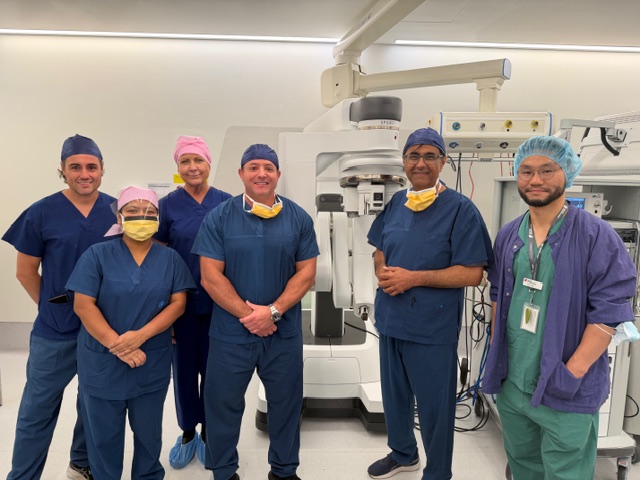
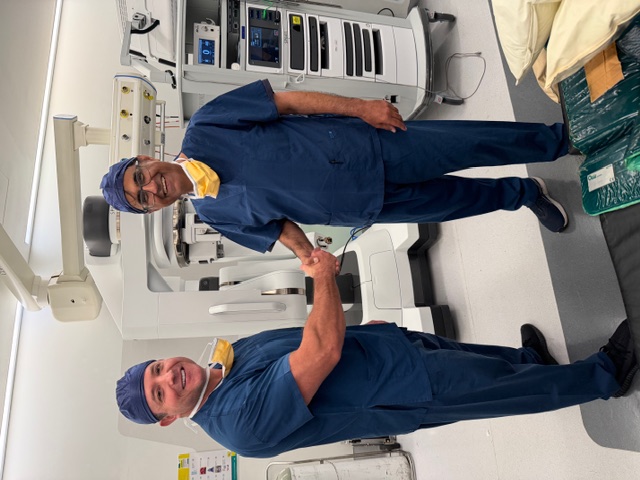
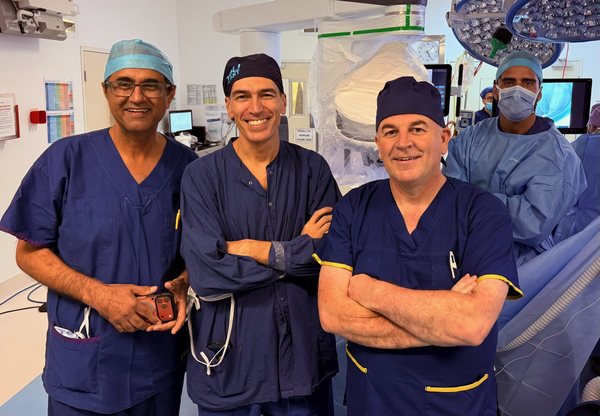
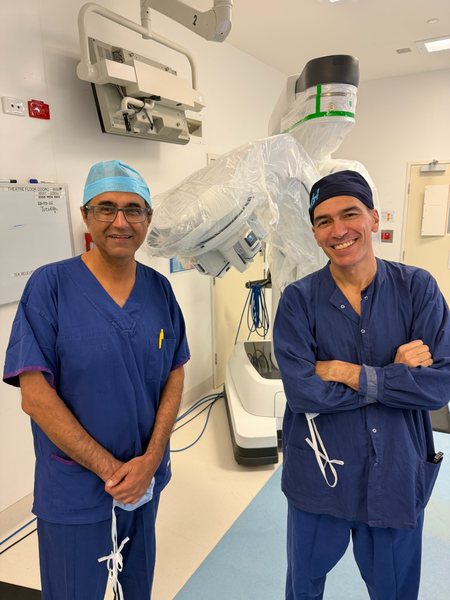
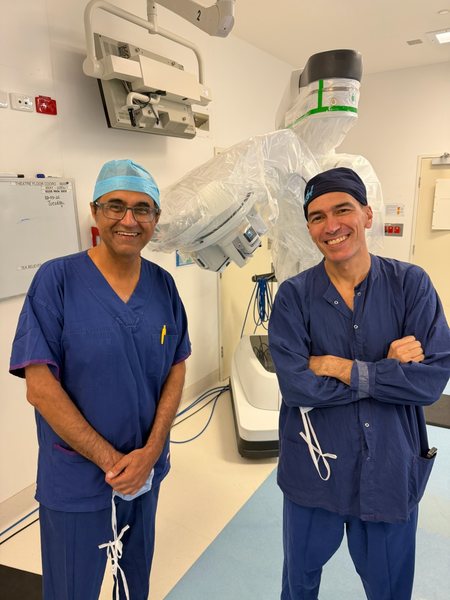
- Where Urology NSW sits: On Thursday 15 January 2026, Dr Raji Kooner successfully completed NSW's first pure Single Port robotic prostate procedure, using a true single-incision technique without additional assisting ports. The procedure was undertaken after structured training and intra-operative proctoring by Dr Ryan Nelson (USA), an internationally recognised SP robotic surgeon. Dr Kooner offers SP robotic surgery at St Vincent's Private Hospital, Sydney - the first hospital in NSW to purchase the da Vinci SP system.
What is Single Port robotic surgery?
Conventional robotic surgery is performed with the da Vinci Xi / X multiport (MP) platform: a camera is placed through one port, and three robotic instrument arms plus an assistant port are placed through four to five separate small skin incisions spread across the abdomen.12
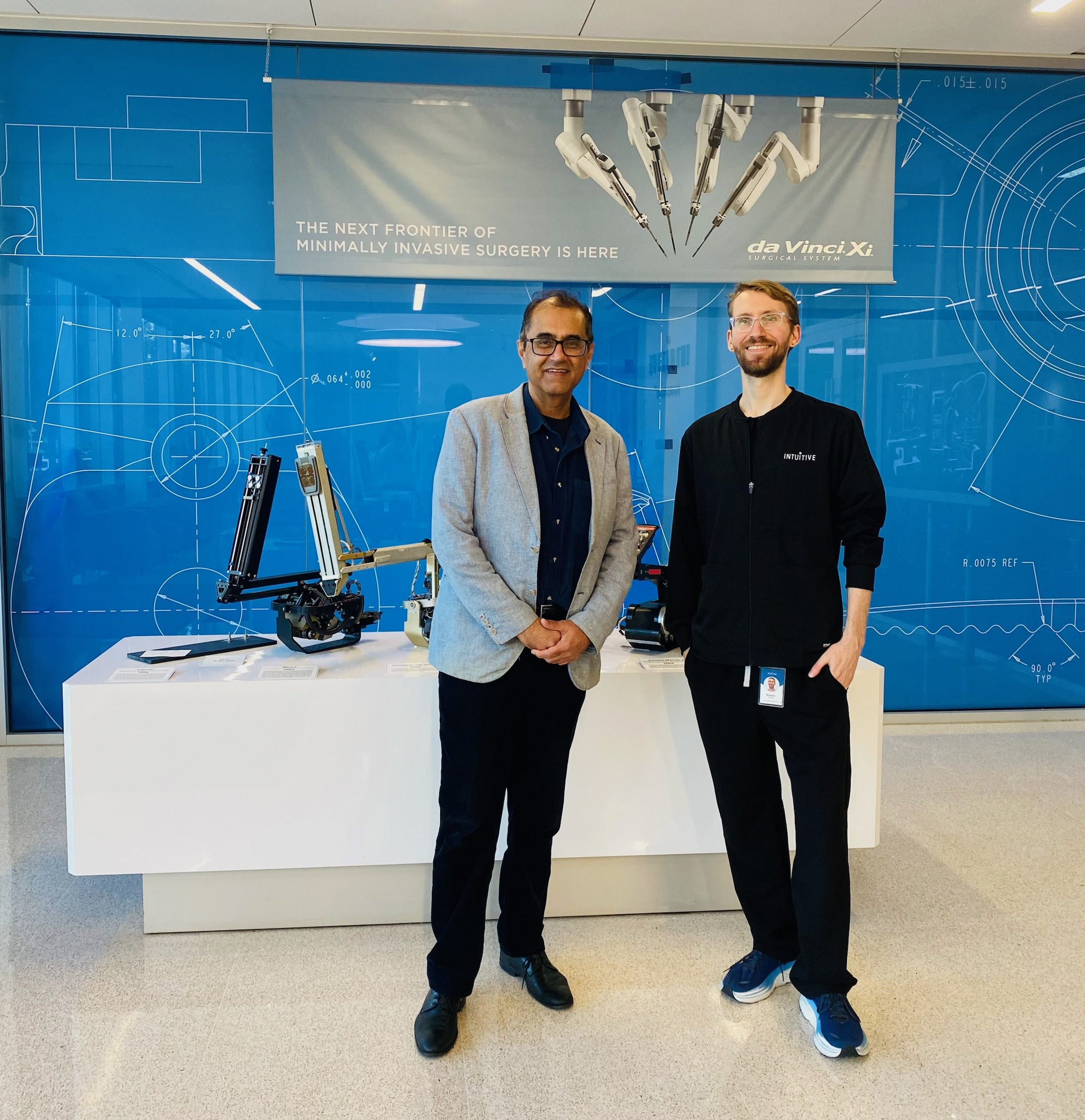
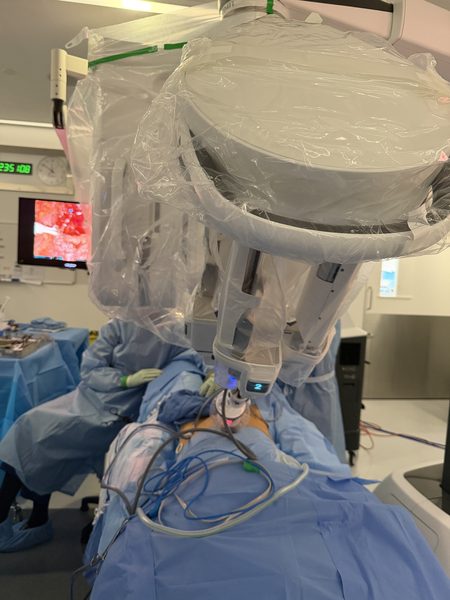
The da Vinci SP single-port platform received FDA clearance for urologic use on 31 May 2018 (510(k) K173906) and packages a fully articulating 3D HD endoscope and three multi-jointed wristed EndoWrist SP instruments into a single 25 mm (2.5 cm) cannula, so that the entire operation can be performed through one small skin incision.11,12 At Urology NSW this is used for radical prostatectomy and selected kidney and reconstructive procedures as a pure single-site approach - no additional assistant ports - which is the technique described in the pivotal Kaouk / Cleveland Clinic series.5,7
The operative principles are the same as for multiport robotic surgery: the same anatomical dissection, the same cancer-clearance and nerve-sparing steps, the same suturing. What changes is the access route to the pelvis or retroperitoneum.

How is the SP approach different from multiport robotic surgery?
Two features of the SP system drive the differences seen in the published literature:
- Fewer skin incisions. One incision of approximately 3 to 3.5 cm replaces four to six.13 Less total skin trauma, fewer potential port-site complications, and a single-incision cosmetic result.3
- Access outside the peritoneum. Because all instruments enter through one cannula, the SP system is well suited to an extraperitoneal (pre-peritoneal) approach for prostatectomy and a retroperitoneal approach for kidney surgery - working behind or in front of the abdominal cavity rather than through it.5,14 In comparative series this has been associated with less handling of bowel and a lower post-operative pain score on day 1.1,6
In plain language: with multiport surgery the instruments usually pass through the belly (the peritoneal cavity) to reach the prostate or kidney. With the SP system, the instruments take a more direct route behind or in front of the belly cavity. In the published comparative series this has been associated with less post-operative pain and shorter hospital stays.1,4
What the evidence shows
The evidence base for SP robotic surgery is newer and smaller than the evidence base for multiport RARP, but has grown rapidly since 2020. There are no randomised trials to date; the evidence consists of matched and unmatched comparative cohorts and several recent systematic reviews with meta-analysis.
SP vs multiport radical prostatectomy (SP-RARP vs MP-RARP)
2025 systematic review and meta-analysis (Ficarra et al., European Urology 2025). 26 comparative studies of SP vs MP robotic radical prostatectomy. Compared with MP-RARP, SP-RARP was associated with:1
- Lower estimated blood loss (standardised mean difference 0.51; 95% CI 0.16 to 0.87).
- Shorter hospital length of stay (SMD 1.12; 95% CI 0.63 to 1.62).
- Lower post-operative pain scores (SMD 0.12; 95% CI 0.04 to 0.35 - a small but consistent effect).
- Comparable continence, potency, positive surgical margin and biochemical recurrence outcomes at the follow-up intervals reported.
2025 systematic review and meta-analysis (Franco et al., Prostate Cancer and Prostatic Diseases 2025). 21 SP studies (18 SP-RARP, 3 SP simple prostatectomy) with 1,400 patients in total, and 8 comparative studies pooled for meta-analysis. Mean follow-up approximately 8.1 months. Similar operative time, catheterisation time, complication rate, continence, potency, positive surgical margin and biochemical recurrence between SP and MP; hospital stay shorter for SP (weighted mean difference -0.58 days after sensitivity analysis).2
2022 meta-analysis (Li et al., Journal of Endourology). SP-RARP was associated with a shorter stay (-17.86 hours; 95% CI -27.80 to -7.92 h) and lower opioid requirement than MP-RARP, with comparable perioperative and oncological outcomes.4
Single-institution and multi-institutional comparative series. Kaouk's group at the Cleveland Clinic reported the first SP-RARP clinical experience using the commercialised SP1098 system in 2019, with a purpose-built extraperitoneal single-site technique described in 2020.5,6 Subsequent large comparisons (Vigneswaran 2020,15 Abaza 2021,8 Abou Zeinab 2023 multi-institutional16) have reported comparable operative times and margin rates once past the early learning curve.
SP for kidney surgery
The same 2025 meta-analysis analysed 9 SP vs MP studies for partial nephrectomy. SP was associated with a shorter hospital stay (SMD 0.31; 95% CI 0.03 to 0.59) and lower day-1 pain scores (SMD 0.22; 95% CI 0.01 to 0.43), but a longer warm ischaemia time (SMD -0.32; 95% CI -0.58 to -0.06).1 Warm ischaemia time reflects how long the blood supply to the kidney is interrupted during tumour excision, and shorter is generally better; a 2024 dedicated SP vs MP partial-nephrectomy meta-analysis (Nguyen et al., 2,689 patients across 15 studies) confirmed the small clamp-time difference but found no measurable difference in post-operative kidney function (eGFR) or margins.9
SP radical nephrectomy is feasible in published case series, but comparative evidence is very limited - only one comparative study was eligible for the renal sub-analysis in Ficarra 2025.1
SP pyeloplasty has a small but growing evidence base, including the first dedicated series by Lenfant et al. 202017 and a non-narcotic, same-day-discharge pathway established at the Cleveland Clinic (Beksac et al. 2022).18
Where the evidence is not yet definitive
- There are no randomised trials comparing SP and MP for any urological indication.1,2
- Long-term cancer outcomes (biochemical recurrence beyond five years, cancer-specific survival) are not yet available for SP-RARP at the same follow-up depth as for MP-RARP; mean follow-up across the 2025 Franco meta-analysis was approximately 8.1 months.2
- Cost analyses vary by institution; SP has been reported as cost-comparable to MP in at least one US single-institution study (US$13,512 vs US$13,284, p = 0.32).10
- Neither the 2025 EAU Prostate Cancer Guidelines nor the 2022/2024 AUA/SUO Clinically Localised Prostate Cancer Guidelines make any distinction between the SP and MP robotic platforms. There is currently no published USANZ position statement specific to single-port robotic surgery.19,20
Patients should know that the reasons SP is being offered are primarily fewer incisions, access from outside the peritoneum, shorter hospital stay and lower post-operative pain, with oncological and functional outcomes that the current evidence shows to be comparable to the well-established multiport robotic approach.1,2
Procedures that can be performed with SP
Dr Kooner performs the following with the da Vinci SP platform at Urology NSW:
- Radical prostatectomy (removal of the prostate for prostate cancer), usually via an extraperitoneal approach.1,2,5,6
- Partial nephrectomy (removal of a kidney tumour, preserving the rest of the kidney), usually via a retroperitoneal approach.1,9,14
- Radical nephrectomy (removal of the whole kidney for cancer) - feasible in published case series; comparative evidence is currently limited.1,21
- Pyeloplasty (reconstruction of the upper kidney drainage for a pelvi-ureteric junction obstruction).17,18
- SP transvesical simple prostatectomy for very large benign prostates, where the SP platform allows the entire operation to be performed through the bladder (multi-institutional experience published by Abou Zeinab et al. 202233 and Ramos et al. 202434; SPARC SP vs MP comparison, Abou Zeinab 202335).
- SP adrenalectomy (removal of adrenal tumours). A 2025 systematic review and pooled analysis summarises 342 patients across 5 retrospective series worldwide.36
- Selected SP bladder procedures, where the anatomy and indication are suitable for a single-access approach.
- Selected ureteric reconstruction in adults, where a distal ureteric stricture makes single-access reimplantation an option.22,37
- SP nephroureterectomy for upper tract urothelial carcinoma is feasible in selected patients, with either retroperitoneal or transperitoneal approaches reported in small series.38
Whether an individual patient is suitable for an SP approach depends on tumour size and location, prostate size, prior abdominal or pelvic surgery, body habitus, and co-existing medical conditions. Not every patient who is a candidate for robotic surgery is a candidate for the SP technique - a multiport robotic or open approach may be the better choice for a given anatomy, and this is discussed at consultation.1,2
Who is suitable?
SP robotic prostatectomy is most often chosen for:
- Men with localised prostate cancer who are suitable for radical prostatectomy (consistent with the EAU 2025 and AUA/SUO 2022/2024 guideline recommendations for men with approximately >10 years life expectancy) and whose anatomy is compatible with a single-access, extraperitoneal approach.1,2,19,20
- Men who have had previous abdominal surgery that makes entry through the peritoneal cavity more complex, where a retroperitoneal or extraperitoneal SP approach avoids previous adhesions.5,6,23
- Men who particularly value a single small incision and faster return to usual activity, accepting that long-term outcomes of SP are inferred from comparable shorter-term evidence.1,2
SP is usually not the best choice for:
- Some tumours in locations that are better reached with multiport triangulation, some very complex renal masses, or extensive nodal-dissection templates (pooled SP experience has reported fewer lymph nodes retrieved than MP, 5.5 vs 9 in one large series).24
- Patients in whom an MP approach is already planned for other reasons (for example concurrent lymph-node dissection of an extensive nodal template, or a combined procedure).
Each recommendation is made with the individual patient after a full history, examination, and review of their imaging and pathology.
How is SP robotic prostatectomy performed?
- Anaesthesia and position. General anaesthesia. The patient is positioned supine, with a mild Trendelenburg tilt (much less steep than for multiport RARP).5
- Single incision. A suprapubic skin incision of approximately 3 to 3.5 cm is made just above the pubic bone.13 The 25 mm SP cannula is placed, and CO2 is used to open up the extraperitoneal space in front of the bladder and prostate, without entering the peritoneal cavity.5,6
- Robotic docking and dissection. The da Vinci SP arm is docked. The articulating camera and three multi-jointed instruments are advanced through the single cannula. Dissection proceeds along the standard anatomical planes: the endopelvic fascia is opened, the dorsal vein complex is controlled, the prostate is separated from the bladder neck and rectum, the neurovascular bundles are preserved where oncologically appropriate, and the prostate and seminal vesicles are removed intact.1,2,5
- Anastomosis. The bladder and urethra are sutured back together (urethro-vesical anastomosis) inside the robot, over a urinary catheter.1,2
- Lymph node dissection, if indicated. A pelvic lymph node dissection to the standard template is performed through the same single access, where this is part of the planned cancer operation.1
- Specimen retrieval and closure. The prostate is removed through the same single incision, which is then closed in layers.1,2
Operating time is similar to, or slightly longer than, a comparable multiport operation in experienced hands, with most of the difference concentrated in the surgeon's early learning curve.6,25

What to expect: hospital stay and early recovery
In Dr Kooner's SP robotic prostatectomy practice, patients are usually admitted on the day of surgery, stay in hospital for 1 to 2 days, and go home with a urinary catheter that is usually removed at follow-up around day 6 to 7. The figures below describe the published comparative evidence base.
Length of stay. Most men go home 1 to 2 days after surgery, on average shorter than MP-RARP in comparative series; in one high-volume series 88% of SP patients were discharged the same day versus 55% for MP.1,8
Catheter. A urinary catheter is left in place while the anastomosis heals. In Dr Kooner's practice it is usually removed around day 6 to 7 at a follow-up visit; published series have typically reported removal between day 7 and day 10.2
Pain. Lower pain scores and lower opioid requirement than MP-RARP in comparative studies (a small but consistent effect, SMD 0.12 in the 2025 meta-analysis); most men manage on paracetamol and a short course of anti-inflammatories.1,4
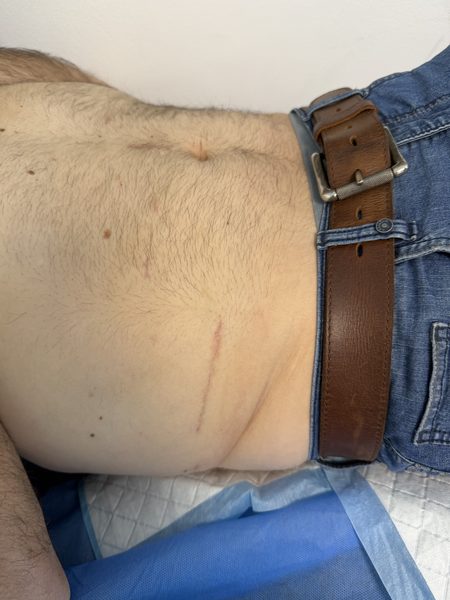
Wound. One small suprapubic incision to heal, with sutures usually dissolvable. A waterproof dressing allows showering within a day or two.
Return to activity. Walking from the day of surgery. Desk-type work usually 2 to 3 weeks. Avoid heavy lifting (over 5 kg), cycling and strenuous exercise for approximately 4 weeks while the deep layers heal.
Continence and erectile function. Pelvic floor exercises are started early to shorten the period of transient stress incontinence, which is expected in the first weeks after any radical prostatectomy. Recovery of erectile function, where nerve-sparing has been possible, typically occurs over 3 to 18 months and is supported by early rehabilitation with PDE5 inhibitors where appropriate. Published SP vs MP comparisons show no significant difference in continence or potency recovery at current follow-up.1,2
Risks and complications
Every patient is counselled on the following before surgery. The risks of SP robotic prostatectomy are the risks of any radical prostatectomy; published comparative data show no increase in major complication (Clavien-Dindo) rates over multiport RARP.1,2
- Bleeding and transfusion. Estimated blood loss has been consistently lower with SP than MP in meta-analysis.1 Transfusion is uncommon overall and the transfusion rate has not been shown to differ significantly between SP and MP in pooled data.3,26
- Injury to adjacent structures (rectum, ureter, bowel, blood vessels, nerves). Rare, managed at the time if it occurs.
- Anastomotic leak or stricture. Uncommon; may require a longer period with the catheter in place, or later endoscopic management.
- Urinary incontinence. Temporary stress incontinence is common in the first weeks; the majority of men regain continence over the first 3 to 12 months, with no difference between SP and MP in published comparisons.1,2
- Erectile dysfunction. Depends on pre-operative function and on the extent of nerve preservation possible for the individual cancer.1,2
- Cancer control. Some men will have a positive surgical margin or will require additional treatment (radiotherapy, hormonal therapy) based on the final pathology and subsequent PSA. Published SP vs MP series show comparable positive margin and biochemical recurrence rates at currently-reported (approximately 8-month median) follow-up; longer-term cancer outcomes for SP-RARP are still accumulating.1,2
- Slightly longer operative time is expected, particularly early in a surgeon's SP experience.6,25
- Conversion to multiport or open surgery. Uncommon; may be needed if the SP approach does not allow safe completion of the planned operation.7
- Venous thromboembolism (DVT / PE). The overall risk is small and is mitigated by early mobilisation, pneumatic calf compression, and graduated prophylactic anticoagulation per hospital protocol.19
Single Port at Urology NSW
On Thursday 15 January 2026, Dr Raji Kooner successfully completed NSW's first pure Single Port robotic prostate procedure, using a true single-incision technique without additional assisting ports. While some centres describe their technique as "single port", many still use additional access ports; this procedure represents a true pure Single Port approach. The milestone was achieved with advanced training and mentorship from Dr Ryan Nelson (USA), an internationally recognised leader in Single Port robotic surgery.28,29
Australia's first da Vinci SP system was announced at Epworth Richmond (Victoria) in August 2025,39 with early single-port cases from November 2025.30 St Vincent's Private Hospital (Sydney) is the first hospital in NSW to install the da Vinci SP system,31,32 and is the site where Dr Kooner offers Single Port robotic surgery for prostate and kidney conditions. Early SP cases at St Vincent's have also been reported in the public record.40
Urology NSW continues to offer the full spectrum of modern urological cancer surgery - multiport robotic (da Vinci Xi), SP robotic, laparoscopic, and open approaches - and the recommendation in any individual case is based on the specific cancer, the patient's anatomy and medical history, and the patient's own priorities, not on the availability of a particular platform.
Patients who would like to discuss whether SP robotic surgery is appropriate for them are welcome to contact the practice to arrange a consultation or request a second opinion.
Frequently asked questions
Is SP better than multiport robotic surgery?
Not "better" in every respect. The published comparative evidence shows that SP is associated with less blood loss, a small reduction in post-operative pain, and a shorter hospital stay, while achieving comparable cancer-control and continence/potency outcomes at current follow-up.1,2 There are no randomised trials, and long-term (over five years) cancer outcomes for SP are still accumulating. The right approach depends on the individual cancer, the anatomy, and the patient's priorities.
Is there more risk because it is a newer technique?
The da Vinci SP platform has been cleared for urologic use in the United States since 31 May 2018 (FDA 510(k) K173906).11 Published comparative series do not show an increase in major complication rates compared with the well-established multiport approach, provided the surgeon has completed structured training and an early-case mentorship, which is the pathway Dr Kooner has followed.1,2,25
Will I have a scar?
There is one incision, usually 3 to 3.5 cm, placed low on the abdomen so it is normally hidden below the waistband.13 It replaces the four to six small port scars left by a multiport operation.
How long before I can drive and return to work?
Most men feel well enough to resume light daily activity within a few days, drive within 1 to 2 weeks, and return to office-based work in a similar timeframe. Heavy lifting, cycling and strenuous exercise are typically deferred for approximately 4 weeks.
Can any patient have SP surgery?
No. Suitability depends on the tumour, the anatomy, prior abdominal surgery, body habitus and co-existing medical conditions. In some cases a multiport robotic or open operation is the better choice, and this is discussed at consultation.1,2
Single-port robotic surgery images
Patient information brochures
These downloadable PDFs are part of the site's patient information brochure library. They are general guides from the named source organisations; please ask at your consultation about what applies to your own care.
References
- Ficarra V, Romito I, Sorce G, Maravigna D, De Stefano A, Mottrie A, Abdollah F, Vigano S, Stabile A, Salonia A, Giannarini G, Crocerossa F, Gandaglia G, Montorsi F, Rossanese M. Comparison of Single- and Multiport Robot-assisted Approaches in Prostate and Renal Surgery: A Systematic Review and Meta-analysis. European Urology. 2025;88(6):589-613. doi:10.1016/j.eururo.2025.08.010. PubMed PMID: 41016915.
- Franco A, Ditonno F, Manfredi C, Pellegrino AA, Licari LC, Bologna E, Feng C, Antonelli A, De Sio M, De Nunzio C, Porpiglia F, Cherullo EE, Kaouk J, Crivellaro S, Autorino R. Single port robot-assisted radical and simple prostatectomy: a systematic review and meta-analysis. Prostate Cancer and Prostatic Diseases. 2025;28(1):117-128. doi:10.1038/s41391-024-00787-2. PubMed PMID: 38263281.
- Nguyen TT, Basilius J, Ali SN, Dobbs RW, Lee DI. Single-Port Robotic Applications in Urology. Journal of Endourology. 2023;37(6):688-699. doi:10.1089/end.2022.0600. PubMed PMID: 36924293.
- Li K, Yu X, Yang X, Huang J, Deng X, Su Z, Wang C, Wu T. Perioperative and Oncologic Outcomes of Single-Port vs Multiport Robot-Assisted Radical Prostatectomy: A Meta-Analysis. Journal of Endourology. 2022;36(1):83-98. doi:10.1089/end.2021.0210. PubMed PMID: 34157849.
- Kaouk J, Bertolo R, Eltemamy M, Garisto J. Single-Port Robot-Assisted Radical Prostatectomy: First Clinical Experience Using The SP Surgical System. Urology. 2019;124:309. doi:10.1016/j.urology.2018.10.025. PubMed PMID: 30367924.
- Kaouk J, Valero R, Sawczyn G, Garisto J. Extraperitoneal single-port robot-assisted radical prostatectomy: initial experience and description of technique. BJU International. 2020;125(1):182-189. doi:10.1111/bju.14885.
- Kaouk J, Aminsharifi A, Sawczyn G, Kim S, Wilson CA, Garisto J, Fareed K. Single-Port Robotic Urological Surgery Using Purpose-Built Single-Port Surgical System: Single-Institutional Experience With the First 100 Cases. Urology. 2020;140:77-84. doi:10.1016/j.urology.2019.11.086. PubMed PMID: 32142725.
- Abaza R, Martinez O, Murphy C, et al. Single-port Robotic Surgery Allows Same-day Discharge in Majority of Cases. Urology. 2021;148:159-165. doi:10.1016/j.urology.2020.08.092.
- Nguyen TT, Ngo XT, Duong NX, Dobbs RW, Vuong HG, Nguyen DD, Basilius J, Onder NK, Mendiola DFA, Hoang TD, Pham DNM, Nguyen A, Thi TMT, Naushad AS, Shahait M, Lee DI. Single-Port vs Multiport Robot-Assisted Partial Nephrectomy: A Meta-Analysis. Journal of Endourology. 2024;38(3):253-261. doi:10.1089/end.2023.0505. PubMed PMID: 38185840.
- Lenfant L, Sawczyn G, Kim S, Aminsharifi A, Kaouk J. Single-institution Cost Comparison: Single-port Versus Multiport Robotic Prostatectomy. European Urology Focus. 2021;7(3):532-536. doi:10.1016/j.euf.2020.06.010. PubMed PMID: 32631777.
- US FDA. 510(k) Premarket Notification K173906 - da Vinci SP1098 Surgical System. Decision date 31 May 2018. https://www.accessdata.fda.gov/cdrh_docs/pdf17/K173906.pdf
- Intuitive Surgical. da Vinci SP System Brochure and Instruments & Accessories Catalog (document MAT09584, 09/2025).
- Soputro NA, Kaouk J. Single-port robot-assisted radical prostatectomy. World Journal of Urology. 2024;42:263. doi:10.1007/s00345-024-04914-5.
- Rich JM, Okhawere KE, Nguyen C, et al. Transperitoneal Versus Retroperitoneal Single-port Robotic-assisted Partial Nephrectomy: An Analysis from the Single Port Advanced Research Consortium. European Urology Focus. 2023;9(6):1059-1064. doi:10.1016/j.euf.2023.06.004. PubMed PMID: 37394396.
- Vigneswaran HT, Schwarzman LS, Francavilla S, Abern MR, Crivellaro S. A Comparison of Perioperative Outcomes Between Single-port and Multiport Robot-assisted Laparoscopic Prostatectomy. European Urology. 2020;77(6):671-674. doi:10.1016/j.eururo.2020.03.031.
- Abou Zeinab M, Beksac AT, Ferguson E, Kaviani A, Moschovas MC, Joseph J, Kim M, Crivellaro S, Nix J, Patel V, Kaouk J. Single-port Extraperitoneal and Transperitoneal Radical Prostatectomy: A Multi-Institutional Propensity-Score Matched Study. Urology. 2023;171:140-145. doi:10.1016/j.urology.2022.10.001. PubMed PMID: 36244472.
- Lenfant L, Wilson CA, Sawczyn G, Aminsharifi A, Kim S, Kaouk J. Single-port Robot-assisted Dismembered Pyeloplasty With Mini-Pfannenstiel or Peri-umbilical Access: Initial Experience in a Single Center. Urology. 2020;143:147-152. doi:10.1016/j.urology.2020.05.041. PubMed PMID: 32525047.
- Beksac AT, Wilson CA, Lenfant L, Kim S, Aminsharifi A, Zeinab MA, Kaouk J. Single-port Mini-Pfannenstiel Robotic Pyeloplasty: Establishing a Nonnarcotic Pathway Along With a Sameday Discharge Protocol. Urology. 2022;160:130-135. doi:10.1016/j.urology.2021.10.013. PubMed PMID: 34748830.
- Cornford P, Tilki D, van den Bergh RCN, et al. EAU-EANM-ESTRO-ESUR-ISUP-SIOG Guidelines on Prostate Cancer, 2025 update. European Association of Urology.
- Sanda MG, et al. AUA/SUO Clinically Localized Prostate Cancer Guideline (2022, amended 2024). American Urological Association.
- Kaouk J, Haber GP, Autorino R, et al. A Novel Robotic System for Single-port Urologic Surgery: First Clinical Investigation. European Urology. 2014;66(6):1033-1043. doi:10.1016/j.eururo.2014.06.039. PubMed PMID: 25041850.
- Heo JE, Kang SK, Koh DH, Rha KH, Choi YD, Lee S. Outcomes of single-port robotic ureteral reconstruction using the da Vinci SP system. Investigative and Clinical Urology. 2023;64(4):373-379. doi:10.4111/icu.20230005. PubMed PMID: 37417562.
- Kaouk J, Beksac AT, Abou Zeinab M, Duncan A, Schwen ZR, Eltemamy M. Single Port Transvesical Robotic Radical Prostatectomy: Initial Clinical Experience and Description of Technique. Urology. 2021;155:130-137. doi:10.1016/j.urology.2021.05.022. PubMed PMID: 34038749.
- Huang MM, Patel HD, Wainger JJ, Su ZT, Becker REN, Pierorazio PM, Han M, Allaf ME. Comparison of Perioperative and Pathologic Outcomes Between Single-port and Standard Robot-assisted Radical Prostatectomy: An Analysis of a High-volume Center and the Pooled World Experience. Urology. 2021;147:223-229. doi:10.1016/j.urology.2020.08.046.
- Kaouk J, Schwen ZR, Beksac AT, Corrigan D, Lenfant L. Learning curve analysis of single-port robot-assisted extraperitoneal prostatectomy using the cumulative sum (CUSUM) method. BJU International. 2021;128(6):688-691. doi:10.1111/bju.15588.
- Biasatti A, Soputro NA, Porpiglia F, Perdona S, Abdollah F, Kaouk J, et al. The current landscape of single-port robotic surgery in urology. Nature Reviews Urology. Published online 2025. doi:10.1038/s41585-025-01081-z.
- Wu J, Wang Y, Huang Y, Long X, Tang J, Gu D. Learning curve analysis of extraperitoneal single-site robotic-assisted radical prostatectomy: a CUSUM-based approach. Journal of Robotic Surgery. 2025;19(1):49. doi:10.1007/s11701-024-02202-3. PubMed PMID: 39792294.
- Nelson RJ. Presenter disclosures, American College of Osteopathic Surgeons 2022 Annual Clinical Assembly: proctoring other surgeons on the single port robotic platform. Disclosure record.
- Henry Ford Health. Congratulations to Dr Ryan Nelson - 500 urology cases using the da Vinci single-port system. October 2024.
- Zargar H (Western Urology). Single port robot, Melbourne (Epworth), from November 2025. Blog entry.
- Device Technologies Australia. St Vincent's becomes first hospital in NSW to install cutting-edge robotic-assisted surgery technology. Press release, January 2026.
- 7News. Da Vinci Single Port surgical robot transforms Australian operating theatres. 20 January 2026. 7news.com.au.
- Abou Zeinab M, Ramos R, Kaviani A, Ferguson E, Lenfant L, Beksac AT, Kaouk J. The Multi-Institutional Experience in Single-Port Robotic Transvesical Simple Prostatectomy for Benign Prostatic Hyperplasia Management. Journal of Urology. 2022;208(4):898-905. doi:10.1097/JU.0000000000002692.
- Ramos R, Soputro NA, Ferguson E, Abou Zeinab M, Lenfant L, Kaviani A, Kaouk J. Single-port transvesical simple prostatectomy for the surgical treatment of benign prostatic hyperplasia: functional and continence outcomes. Prostate Cancer and Prostatic Diseases. Published online 19 November 2024. doi:10.1038/s41391-024-00923-y. PubMed PMID: 39562836.
- Abou Zeinab M, Ramos R, Kaviani A, Ferguson E, Soputro N, Kaouk J, et al. Single Port Versus Multiport Robot-assisted Simple Prostatectomy: A Multi-institutional Study From the Single-port Advanced Research Consortium (SPARC). Urology. 2023;178:76-82. doi:10.1016/j.urology.2023.02.044. PubMed PMID: 37001822.
- Reitano G, Tumminello A, Prevato C, Cacco A, Gaggiato G, Bau G, Sabato L, Tonet E, Gambarotto A, Fusca V, Martina K, Visentin S, Betto G, Novara G, Dal Moro F, Zattoni F. Adrenalectomy Performed with the Da Vinci Single-Port Robotic System: A Systematic Review and Pooled Analysis. Cancers (Basel). 2025;17(8):1372. doi:10.3390/cancers17081372.
- Ditonno F, Manfredi C, Bologna E, Licari LC, Franco A, Autorino R, et al. Current status of single port robotic-assisted reconstructive urology: a systematic review, meta-analysis and structured summary of the available literature. Journal of Robotic Surgery. 2025. doi:10.1007/s11701-025-02509-9. PMC: PMC12227456.
- Pellegrino AA, Chen B, Adamic B, Francavilla S, Abern MR, Crivellaro S. Application of the single-port robotic platform during radical nephroureterectomy for upper tract urothelial carcinoma: feasibility of the single-port robot in the multi-quadrant setting. Translational Andrology and Urology. 2023;12(9):1557-1565. doi:10.21037/tau-23-254. PMC: PMC10560342.
- Epworth HealthCare. Single Port Robot Australian-first at Epworth Richmond - announcement August 2025. Epworth newsroom; companion coverage at National Tribune.